
Table of Contents
Discover how mindfulness and technology can work together instead of against each other. Learn practical habits for reducing digital overwhelm, improving focus, and building a calmer relationship with screens.
You check your phone for one message.
Twenty minutes disappear.
Your brain feels busy, but not productive. You’re mentally tired even though you haven’t done anything physically demanding. The noise follows you everywhere. Notifications, tabs, videos, emails, scrolling, background stimulation. Even moments that used to feel quiet now feel crowded.
Most people don’t realize how deeply technology shapes their emotional state until their attention starts slipping away from them.
That’s why conversations around mindfulness and technology matter more than ever.
Technology itself is not the problem. The problem is unconscious use.
When people start using technology with awareness instead of impulse, something changes. Focus improves. Anxiety drops. Sleep becomes deeper. Even simple moments feel more real again.
What is mindfulness and technology?
Mindfulness and technology refers to using digital tools with awareness, intention, and emotional control instead of reacting automatically to constant stimulation.
It means:
- using devices consciously
- reducing compulsive scrolling
- creating healthier screen habits
- protecting attention and mental clarity
- making technology serve your life instead of controlling it
Mindful technology use is not about deleting every app or escaping modern life.
It’s about creating balance.

Why technology feels mentally exhausting
Most digital platforms are designed to compete for attention.
Every swipe, autoplay video, notification, and endless feed keeps the brain in a state of low level stimulation. Over time, this creates mental fatigue that many people mistake for laziness or lack of motivation.
Some common signs of digital overload include:
- difficulty focusing
- constant urge to check the phone
- brain fog
- emotional numbness
- reduced patience
- trouble sleeping
- anxiety during silence
- inability to enjoy slow moments
A lot of people notice this most strongly at night.
You finally put the phone down, and suddenly your mind feels strangely restless.
That’s not random.
Your brain became used to constant dopamine spikes throughout the day.
The hidden psychological effect of constant scrolling
Scrolling gives the brain tiny bursts of novelty.
A funny post. A message. A dramatic headline. A short video. Another recommendation. Another notification.
The brain starts expecting stimulation every few seconds.
Real life doesn’t move that fast.
That’s why normal activities can begin to feel boring after excessive screen exposure. Reading becomes harder. Conversations feel slower. Deep work feels uncomfortable.
Mindful technology practices help retrain attention span and emotional regulation.
Not instantly.
But gradually.

Mindful use of technology starts with awareness
Most people try to fix digital overwhelm by forcing strict rules on themselves.
That usually fails.
Real change begins when people notice their patterns honestly without judging themselves.
Ask yourself:
- Why do I reach for my phone automatically?
- What emotion am I trying to avoid?
- Do I feel calmer after scrolling or more drained?
- Which apps improve my life and which ones leave me exhausted?
Those questions create awareness.
Awareness changes behavior more effectively than guilt.
Simple mindful technology habits that actually help
1. Stop starting your morning with notifications
The first few minutes after waking up shape mental state more than most people realize.
Checking notifications immediately puts the brain into reactive mode before your own thoughts even begin.
Try this instead:
- avoid social media for the first 30 minutes
- drink water
- stretch
- step outside briefly
- journal or sit quietly
People often notice reduced anxiety within days.
2. Create friction between you and addictive apps
Mindless behavior loves convenience.
Small obstacles interrupt automatic habits.
Examples:
- remove social media apps from home screen
- disable non essential notifications
- log out after use
- use grayscale mode at night
- keep the phone away during work sessions
Tiny changes create surprisingly strong behavioral shifts.
3. Practice single task technology use
Most people use technology while doing three other things.
Watching videos while texting. Eating while scrolling. Listening without paying attention.
The brain never fully rests.
Mindful technology use means doing one digital activity consciously at a time.
It sounds simple, but it changes mental clarity dramatically.
4. Protect silence again
A lot of people fear silence without realizing it.
The moment quiet appears, the phone comes out automatically.
But silence is where emotional recovery happens.
Even ten minutes without stimulation can calm the nervous system.
No music. No videos. No scrolling.
Just space.

Technology is not evil
This part matters.
Technology also helps people:
- learn new skills
- connect globally
- access mental health support
- build businesses
- meditate
- improve productivity
- create meaningful communities
Mindfulness is not anti technology.
It’s pro awareness.
The healthiest approach is not extreme rejection. It’s intentional use.
Mindfulness virtual reality: can technology actually improve presence?
This is where things get interesting.
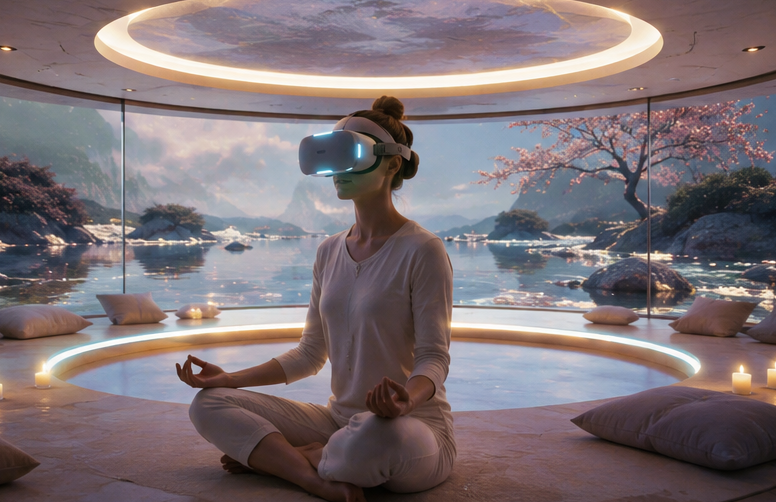
Virtual reality mindfulness experiences are becoming increasingly popular in wellness spaces. Some apps now guide users through meditation environments using immersive visuals and calming soundscapes.
For people who struggle with traditional meditation, virtual reality mindfulness can sometimes make focus easier by reducing external distractions.
Potential benefits include:
- deeper guided meditation experiences
- reduced environmental distractions
- improved relaxation for beginners
- immersive breathing exercises
- calming visual environments
Still, balance matters.
Technology cannot replace genuine emotional awareness or real world grounding.
A mindfulness app can support calmness. It cannot create inner peace by itself.
Digital mindfulness for work and productivity
Many people believe productivity problems come from poor discipline.
Often, the real issue is fractured attention.
Every interruption forces the brain to reset focus again. Over time, this weakens deep concentration.
Digital mindfulness improves productivity by helping people:
- reduce context switching
- improve sustained focus
- lower mental fatigue
- work with more clarity
- finish tasks faster
One mindful productivity technique that works surprisingly well is scheduled distraction.
Instead of fighting urges constantly:
- work deeply for 45 minutes
- allow 10 minutes for checking messages or scrolling
- repeat
The brain handles structure better than constant resistance.
The emotional side of mindful technology
People rarely talk about the emotional layer behind excessive screen use.
Sometimes scrolling is not about entertainment.
Sometimes it’s escape.
Escape from:
- loneliness
- uncertainty
- stress
- boredom
- emotional discomfort
- lack of direction
That’s why mindful use of technology requires emotional honesty too.
Not just productivity hacks.
When people become more emotionally aware, compulsive digital behavior often decreases naturally.
How to build a healthier digital life without becoming extreme
You do not need to disappear into the woods or throw your phone away.
A healthier digital life usually comes from small consistent adjustments:
- fewer unnecessary notifications
- more intentional screen time
- protected focus periods
- device free meals
- less doomscrolling before bed
- more real conversations
- occasional quiet moments
The goal is not perfection.
The goal is presence.
Final thoughts
Modern technology can either fragment attention or support a more intentional life. The difference depends on how consciously it’s used.
Mindfulness and technology are not opposites.
When combined thoughtfully, technology becomes a tool instead of a constant source of mental noise.
Most people don’t actually want less technology.
They want less exhaustion.
They want their attention back.
And honestly, that’s a very human thing to want.
FAQ Section
What is mindful technology use?
Mindful technology use means using digital devices intentionally and consciously rather than through automatic habits or emotional impulses.
How does technology affect mental health?
Excessive screen exposure and constant stimulation can contribute to anxiety, stress, reduced focus, sleep problems, and emotional fatigue.
Can mindfulness reduce phone addiction?
Mindfulness helps people become aware of unconscious habits and emotional triggers, which can reduce compulsive phone checking over time.
Is virtual reality mindfulness effective?
Virtual reality mindfulness can help some users focus during meditation by creating immersive calming environments, especially beginners who struggle with distractions.
What are some easy digital mindfulness habits?
Simple habits include:
- turning off notifications
- avoiding screens after waking up
- limiting multitasking
- creating device free spaces
- taking regular quiet breaks